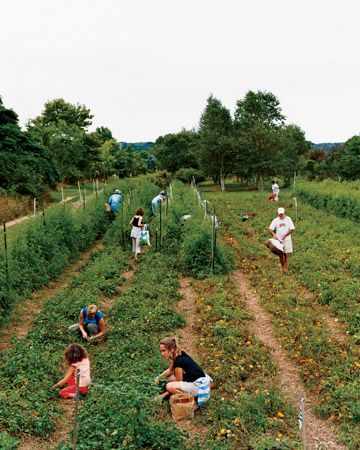
Right now, every piece of fruit or veg, every cut of meat and condiment, no matter where it may have travelled, can be found on a supermarket shelf. On the one hand, it’s great that globalisation has been so successful in its efforts to connect to, trade with, and enjoy the foods and cuisines from all across the world. On the other hand, it has come at the expense of neglecting the produce we have available here in the UK.

It’s fair to say that as we all become more and more consumed by technology and reliant on generative AI and whatnot, we are becoming more and more disconnected with nature. That’s not to say that we don’t enjoy a walk in the park or a few days in the Cotswolds. Yet the reality is (thanks to all the immensely long supply chains which end in our cupboards) that it’s easy to forget that a lot of food in our fridges once sat in the soil as seeds.
Across all food groups, the rate of importation stands at around 40%, since the UK is self is self-reliant in other food groups such as grains, meat, dairy, and eggs. Doesn’t sound too shabby, does it? But when it comes to fruit and veg, for example, we import a mind-boggling 85% of the produce which ends up on our plates (Gov UK).
Whilst it would be nice if the organic products of Waitrose and farmers’ markets were as pocket-friendly as the produce on sale in Aldi, it’s simply not a realistic prospect for most people to pay more than they have to when it comes to their weekly shop. It’s shameful that we are at a point where it costs double the price to buy some apples that haven’t been sat marinading in pesticides.

The fact is that organic farming is very beneficial for the land, as it improves soil health and fertility, encourages wildlife, and helps to ensure an ecological balance (BBC goodFood). It is an undeniable luxury to stroll through the diamond-encrusted aisles of M&S as the Madagascan mangos and Afghan aubergines float into your shopping trolley. But by eating local, organically grown, seasonal fruit and veg, we are fueling and nurturing our fields rather than neglecting them.
All this considered, it’s quite depressing that the prospect of contributing to organic farming is so far-fetched for a massive majority of us. If you’re someone like me, who would like to eat organic, seasonal produce but doesn’t want to pay extra for it, there are plenty of ways to contribute to, nurture, and enjoy our native ecosystems.
There are many options to source local, seasonal produce at a low price. Websites such as Big Barn (https://www.bigbarn.co.uk/) are super helpful in finding farms and shops. If you’re not too fussy about eating produce that has been certified as ‘organic’, there are tons of farms that sell boxes of organic products at a reasonable price. Or if you don’t want to go to that hassle, you can help British farmers by just spotting the produce that is grown locally in your local supermarket (The Countryside Charity). Here is a guide to all of the seasonal foods in the UK, as we come into autumn, all of our favourite wintery vegetables are sprouting into season: (National Trust).
There is something rewarding about eating locally and sustainably; it’s part of our natural ecological cycle as humans, something which seems to be slightly lost and forgotten about in 2025. Watching a plant grow from seed to plate is something we rarely do; if this is something that has grabbed your attention in any way, I urge you to take advantage of any space you have. Grow some fresh herbs, or some tomatoes, go for a stroll around your local allotment, and have a chat with a pensioner. Allow yourself to be reminded of the power of nature, connect with it, enjoy it, and earn the food you eat. a pensioner. Allow yourself to be reminded of the power of nature, connect with it, enjoy it, and earn the food you eat.
 PRINT IS DEAD
Leave a comment